Is It Better to Have an English-Speaking Partner or a Private Tutor?
Introduction
Regular opportunities to speak and listen to express your new ideas are vital when it comes to learning English as a second language. However, many learners face the same question: Is it better to practice with an English-speaking partner or take lessons with a private tutor? Both ways can help you improve your skills, but they offer different benefits depending on your goals, current level and learning style.
For some learners who are at the beginner level, private English classes online with a tutor might be more helpful in teaching and guiding them on how to start English as a second language. But for intermediate and upper-level learners, English-speaking partners would be more helpful because many students prefer a relaxed atmosphere for conversation and interaction with other students who are at the same level. In this atmosphere, students are free to practice naturally and learn how people use English in everyday life.
The good news is, you do not have to choose one! Actually if you become aware of all the differences between these two ways, you can choose the helpful one to improve your English level. You are the only person who knows which approach works best for you. So let’s have a brief look at the pros and cons of having a private tutor and English-speaking partner.
What Is a Private English Tutor?
A private English tutor is someone who provides individual instruction and approaches based on your language level, goals, and learning needs. Tutors may specialize in general English, academic writing, business communication, pronunciation, or exam preparation.
When you have a private English tutor online, you will take personalized lessons and receive direct feedback on your performance. Unlike free topic discussion sessions, Private tutors have a specific lesson plan, meaning that they might introduce a grammar point, explain new vocabulary, organize speaking activities, and review your mistakes during or after the lesson. This is more teacher-based, but it can differ based on the approach and become a combination of teacher-based and student-based class. Here is a list of advantages of having a private English tutor.
Personalized learning
A certified tutor can identify your weaknesses and adjust lessons accordingly. If you understand English well but struggle to speak fluently, your sessions can focus on spontaneous speaking, sentence formation, and pronunciation and this focus can move on from your speaking while it becomes strong enough to interact and stay a while for work more on your listening skill or any other skills like writing or reading.
Immediate and accurate feedback
This is another advantage of having a private English tutor online. You can receive corrections and explanations. For instance, a learner might say, “I have been there yesterday.” A tutor can explain that the simple past is generally inappropriate here, and we use it when referring to a completed action at a specific time in the past. Actually, the correct form is “I was there yesterday.”
This kind of feedback helps you understand not only understand what is an incorrect part of the sentence, but also how to avoid the same mistake in the future.
Structured progress
A tutor can create a personalized plan with clear objectives, such as improving conversational fluency, mastering common verb tenses, or preparing for an English proficiency exam such as IELTS or TOEFL. This plan can help the tutor track the progress and identify areas that need more attention.
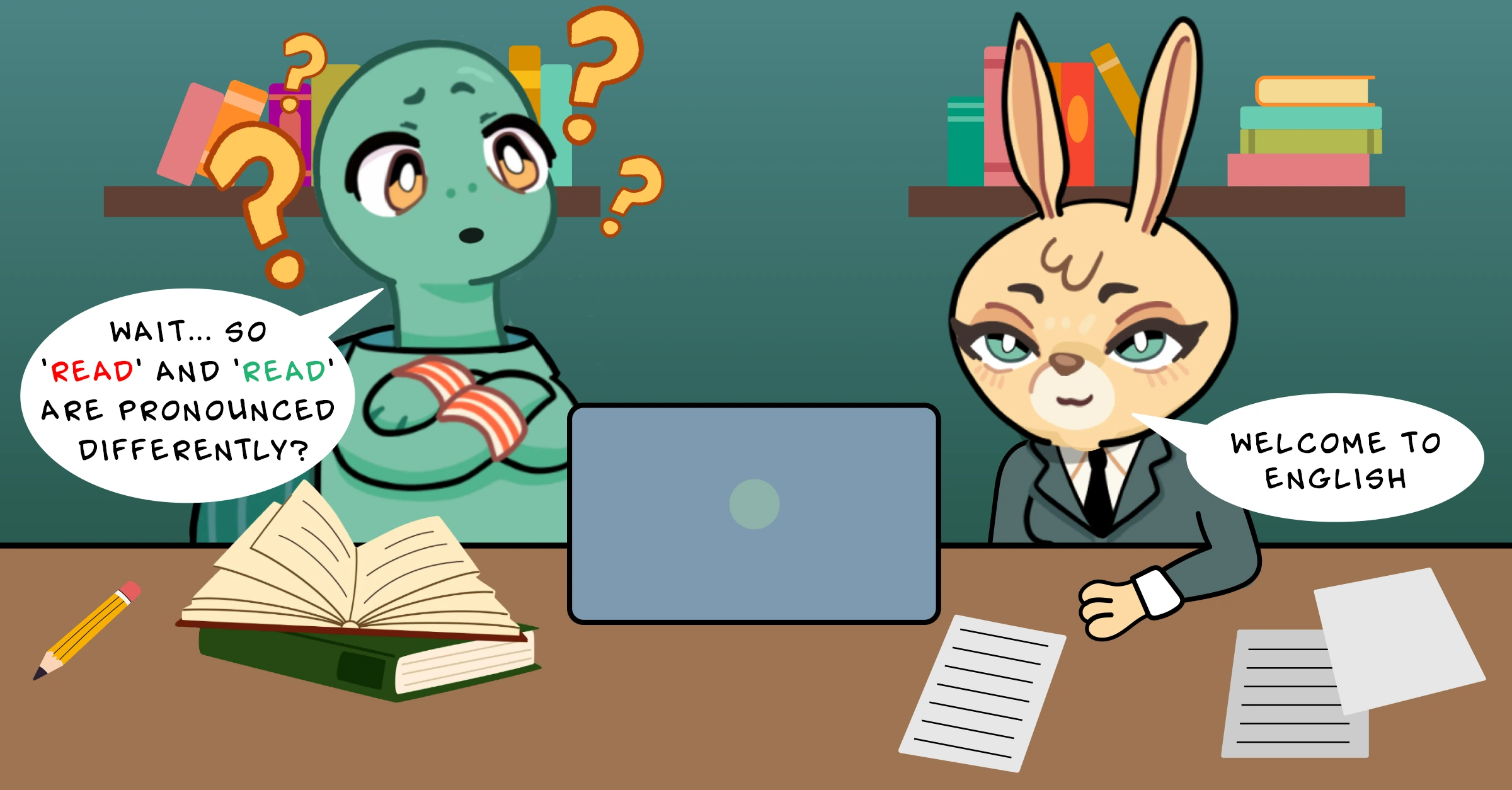
Stop! Are there any limitations for a private English tutor?
Yes! There are some limitations. Private English classes online with personalized tutors usually cost more. Consider the cost of books and resources you might need in this process. The quality of instruction also depends on the tutor’s experience, teaching skills, their academic background, and understanding of your needs. But it is not the only disadvantage!
Another limitation is that a tutor cannot create fluency for you simply by explaining grammar. You still need to practice independently and use English outside your lessons. So, let’s say you still need an English-speaking partner even when you have a private tutor. Seems like they complement each other. So, let’s see; what are the advantages and disadvantages of an English-speaking partner?
What Is an English-Speaking Partner?
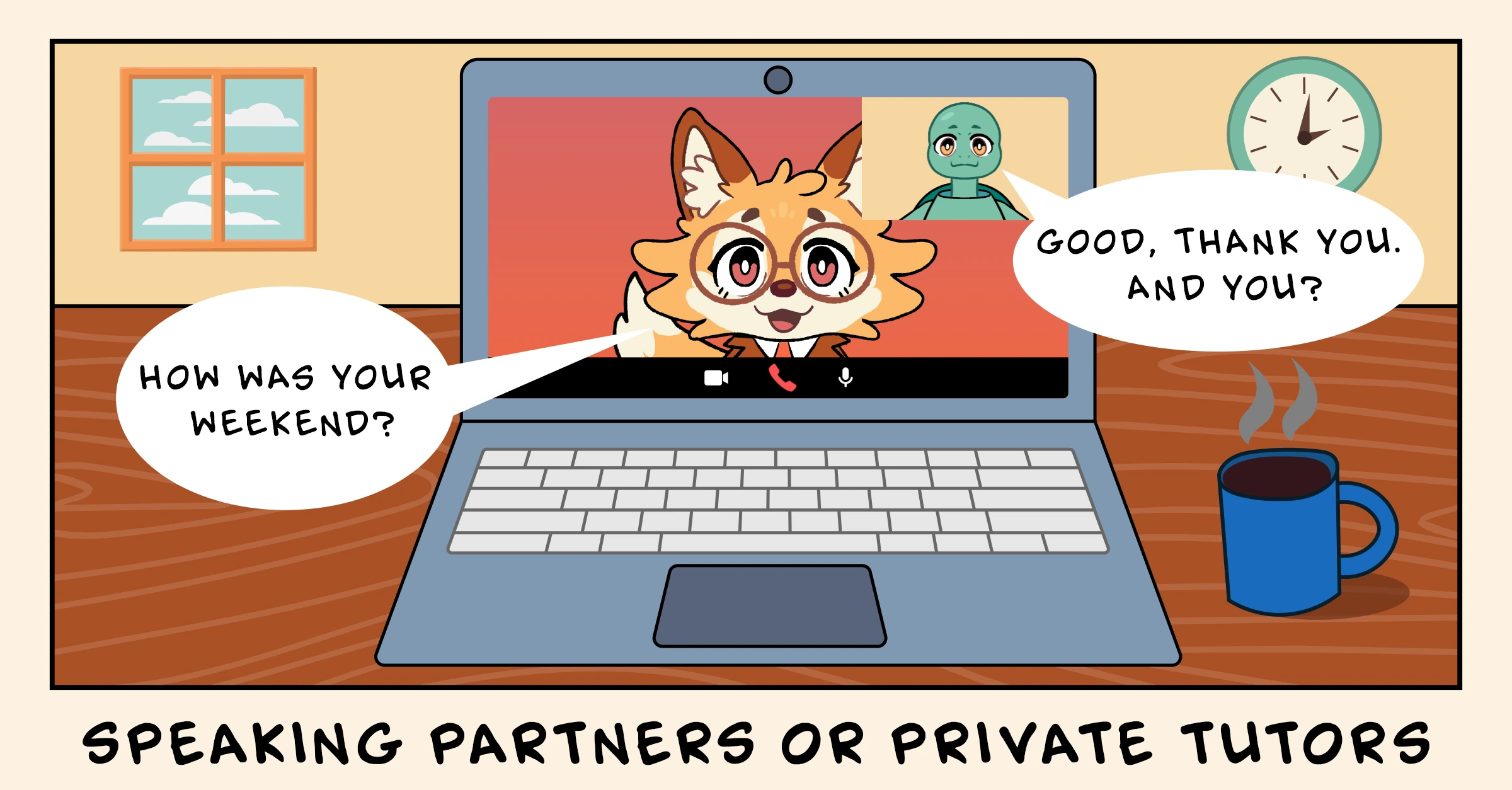
An English-speaking partner is someone you regularly communicate with in English to improve your speaking and listening skills. This person might be a native speaker, another English learner, or someone who uses English confidently as a second language. This communication might happen in-person or on online platforms and social media.
Language partners often meet online through video calls, messaging apps, or language exchange platforms based on their daily job and academic routine for students. They may discuss daily routines, hobbies, work, travel, or current events. Some partners also agree to exchange languages, helping each other practice. Let’s take a look at the advantages of having an English-speaking partner.
Natural, everyday conversations
Conversations with an English language partner expose you to informal English, common expressions, and the way native people communicate in real situations.
For example, instead of only learning the phrase “How are you?”, you might hear different versions of this phrase but with the same meaning! For instance, someone may say, “How’s it going?” or “What have you been up to?” These expressions can help you sound more natural.
Greater confidence
Speaking with another person in English regularly can decrease your fear of making mistakes. You may feel more comfortable experimenting with new vocabulary and expressing complicated ideas when the conversation is informal whereas you cannot have the same experience in a class with a private English tutor because the class is formal and focusing on your weaknesses!
Cultural understanding
A native partner from an English-speaking country can introduce you to cultural references, humor, social habits, and regional expressions that textbooks you are working with a private English tutor may not cover in detail.
Flexible and potentially low-cost practice
This way of speaking practice is much cheaper than a private tutor. But consider that some platforms charge fees. Also, this way is flexible based on your schedule and your partners! And even for each area of your interest, you can have a different partner. For example you can practice speaking about chocolate with someone from France and communicate about pizza with someone from Italy.
What Are the Limitations?
Of course there are also some limitations about having an English-speaking partner. Your speaking partner is not necessarily a teacher, They may understand what you mean without noticing your grammatical mistakes or explaining why a particular expression sounds unnatural.
For instance, if you repeatedly say, “I have 25 years,” which is grammatically true in French, instead of “I am 25 years old,” which is grammatically true in English, your partner might understand you but forget to correct you. Conversations can also become repetitive if both people discuss familiar topics without challenging themselves. So the advice would be to have a list of your various interests and talk about each of them in detail every session.
English-Speaking Partner vs. Private Tutor: Which Is Better?
The answer is different based on your goal as mentioned before. There is no better option! In fact, the right choice depends on what you want to achieve. Both approaches offer valuable learning opportunities, but they are not equally effective for every goal.
Your choice of conversation partner can influence the vocabulary, pronunciation, spelling, and expressions you encounter between American English or British English. The best choice depends on your goals and the English you need to understand or use. Let’s check some differences between these two English accents. These tables represent some differences in American and British English in vocabulary and spelling.
| American English | British English | Meaning |
|---|---|---|
| Apartment | Flat | A place to live |
| Vacation | Holiday | Time away from work or school |
It might be interesting for you to know that American and British English also follow different spelling conventions. The table below shows some of the differences in spelling.
| American English | British English |
|---|---|
| Color | Colour |
| Center | Centre |
But before choosing your partner and a private tutor, remember that the answer to the question “Is it better to practice with an English-speaking partner or take lessons with a private tutor?” should come based on your needs and decide which one is the best. Sometimes you need both at the same time to reach a certain level based on your goal.
Here is the good news! You can access a group of English learners looking for a speaking partner who has the same level to improve their English skills. If you are interested in learning English as a second language in a practical way, you can follow the ways below for more information.
Frequently Asked Questions
How much does it cost, and is it possible to cancel it?
It depends on what group you join: WhatsApp, Telegram, Teams, single, etc. You can select any group, where the cost will be mentioned, and you can cancel at any time.
Can I improve my English by talking to native speakers?
Yes, talking to native speakers can help you improve your speaking and listening skills. You can also learn new words and common expressions. However, you may still need a tutor to correct your mistakes.
Is it better to learn English with a partner or a tutor?
Both these ways can help you improve your English. A partner helps you practice everyday conversations, while a tutor helps you learn grammar and correct your mistakes. Using both at the same time based on your needs can be a good choice.
Should I learn American or British English?
It depends on your goals. If you plan to study or work in the UK, British English may be useful. If you communicate more with Americans, American English may be a better choice. Both are correct, and you can understand and use both.
Are online English speaking sessions good for beginners?
Yes, online English speaking sessions can be helpful for beginners. Also aligned with online English speaking sessions, a tutor can teach you basic grammar, vocabulary, and pronunciation to become more confident and fluent to speak with your English-speaking partner.