Gothic Literature: One of English Literature’s Most Fascinating Genres
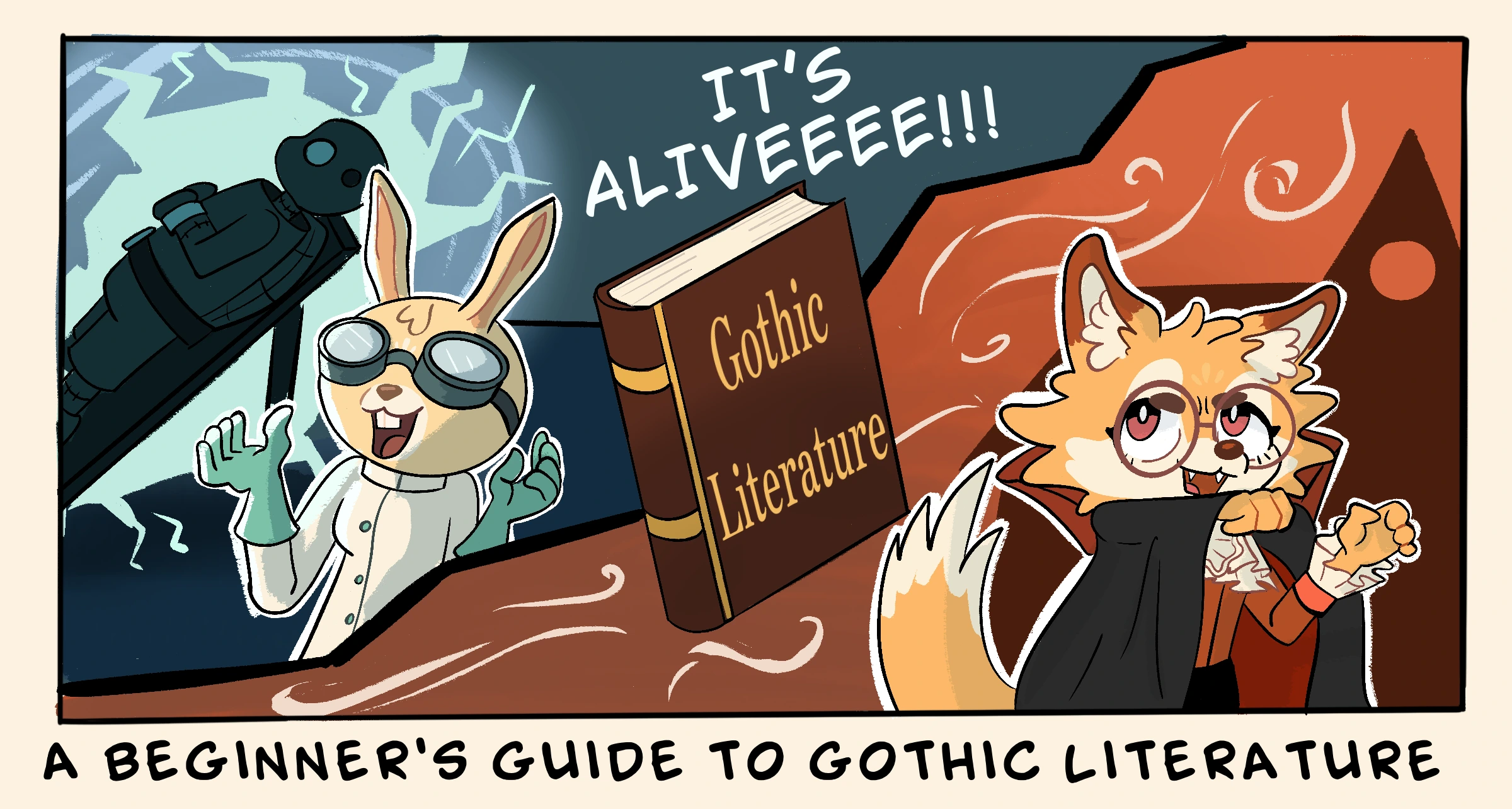
Imagine you are travelling through a remote mountain to visit a mysterious man in his enormous, isolated castle. The journey makes you feel uncertain, and once you arrive, you notice that your host has rather unusual habits, making you question whether you are truly safe. Would you stay, or would you panic and find a way out?
This is the kind of situation readers encounter in Dracula by Bram Stoker, one of the most famous works of Gothic literature. But Gothic fiction is more than vampires and scary places. It explores human fears, psychological struggles, social inequalities, and the mysteries of human nature, which is what makes this genre so fascinating!
In this guide, we will explore where Gothic literature began, what makes a story Gothic, and which books are worth reading. So, whether you are a literature student or developing your language skills through English speaking training online, these stories offer plenty of opportunities to discover new vocabulary and explore literary themes!
The Origins of Gothic Literature
Gothic literature emerged in eighteenth-century England, when writers began experimenting with medieval settings, supernatural events, and intense emotions.
The genre began with Horace Walpole’s The Castle of Otranto, published in 1764, initially presented as a translation of an old Italian manuscript. But the novel was later revealed to be Walpole’s own invention, and it got republished with the subtitle A Gothic Story.
But why did he call it Gothic? The word originally referred to the Goths, a Germanic group. But over time, it became associated with medieval architecture and ideas of the old, mysterious and barbaric, an atmosphere that Walpole wanted to capture in his story.
From there, Gothic literature continued to evolve, and other writers developed the genre further, exploring human ambition and supernatural threats.
So now, what do we mean exactly, when we talk about Gothic literature?
In simple terms, it is a genre that uses dark settings, intense emotions, and the unknown to explore human fears and anxieties.
Main Characteristics
Gothic writers challenge the idea that everything can be explained through reason, and bring attention to subjects that society would rather avoid, such as taboos and social inequalities. These are the main characteristics to understand how Gothic literature brings these topics to life:
Settings and Atmosphere
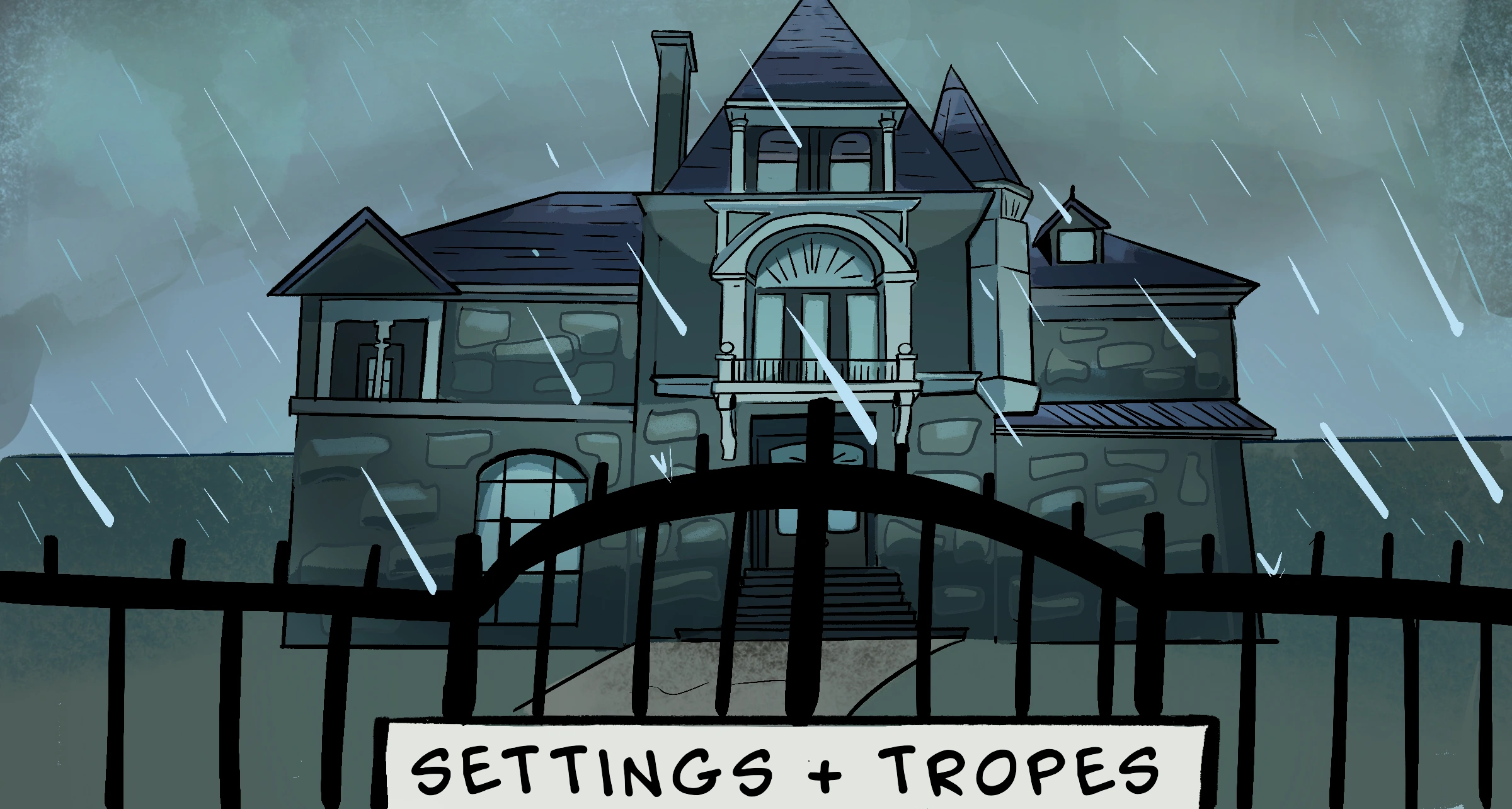
The setting of a Gothic story is essential. Environmental details do more than tell us where the action takes place; they also reflect the characters’ emotional state.
Physical spaces
Isolated castles, abandoned mansions and big houses with countless rooms are common settings. They are used to separate characters from society, making them feel trapped and vulnerable. The hidden or unexplored spaces also allow secrets and tension to emerge.
Weather
Weather is another important tool. Storms, heavy rain and strong winds suggest danger or emotional turmoil, while thick fog can make a setting feel cold and mysterious. When visibility is limited, both characters and readers are left wondering what might be waiting beyond what we can see, creating tension within and without the story.
Senses
Gothic writers use many sensory details. Creaking floors, distant footsteps or the call of crows can suggest that something is near without revealing exactly what it is, encouraging anticipation and keeping us, the readers, alert.
Characters and the Supernatural
Gothic characters are often driven by powerful emotions that influence their decisions and relationships.
Love
Romantic feelings can develop into obsession or jealousy, leading to unhealthy relationships and conflicts.
Guilt
A guilty conscience can cause anxiety, sleeplessness, and even hallucinations. In Edgar Allan Poe’s The Tell-Tale Heart, the narrator’s guilt makes it difficult to separate reality from imagination.
Regret
Characters who cannot escape their past usually become isolated and consumed by their memories, often driven towards self-destruction.
Gothic fiction explores how the human mind can become a source of fear itself. This is also where the supernatural comes into play. Ghosts, visions, curses, and strange dreams may suggest something beyond human understanding, or reflect the character’s troubled mind.
Common Gothic Tropes
One common Gothic trope is the idea of dual identities.
A character who appears respectable may have a disturbing side, or the opposite. In Mary Shelley’s Frankenstein, the Creature challenges simple ideas about monstrosity, encouraging readers to question whether someone becomes a monster through their actions or through the way society treats them.
You may recognise a similar idea in the film Edward Scissorhands by Tim Burton!
Gothic fiction also reflects gender expectations of the time in which it was written. Female characters were often portrayed as the innocent, vulnerable or psychologically tormented, while the male characters appeared as threatening and controlling villains.
However, some writers challenged these roles. In Jane Eyre, for example, Jane fights for her independence and refuses to give up her values, even facing social and personal pressure.
Language and Storytelling
Gothic writers use language and storytelling techniques to create uncertainty and make readers question what is happening. Look out for these common features:
- Dark imagery
- Ominous descriptions
- Ambiguity
- Unreliable narrators
Gothic Books Every Learner Should Know
Although it might seem like the Gothic genre is repetitive, its books offer very different reading experiences. Here are four classics worth considering:
Frankenstein by Mary Shelley (1818)
Short summary: A young scientist creates a living being through his experiments but abandons it when he sees the result.
Why could it interest you? The novel explores ambition, loneliness, and responsibility. Its frame narrative, told through different characters, offers several perspectives on the story.
Reading level: Moderate. Language might feel formal.
The Yellow Wallpaper by Charlotte Perkins Gilman (1892)
Short summary: A woman is confined in a room as part of a suggested treatment for her mental health. Over time, she becomes fascinated by the strange wallpaper in the room.
Why could it interest you? Explores psychological distress, confinement, and restrictions placed on women through first-person narration.
Reading level: Beginner to moderate. Short length. If you are new to the genre, and are interested in classic books, you could start with this one!
Dracula by Bram Stoker (1897)
Short summary: A man travels to Transylvania to visit Count Dracula. He gradually discovers his terrifying secret.
Why could it interest you? The novel features vampires and suspense. The story is told through diaries, letters, articles, etc.
Reading level: Moderate to challenging. The vocabulary and sentence structures can feel old-fashioned.
The Phantom of the Opera by Gaston Leroux (1910)
Short summary: A mysterious figure lives beneath the Paris Opera House and becomes obsessed with a young singer named Christine.
Why could it interest you? The novel explores obsession, jealousy and hidden identities, with an unusual setting at a grand theatre.
Reading level: Moderate to challenging. Some descriptions might feel old-fashioned, but the story is easy to follow.
Gothic Literature Today
Fortunately for writers, humans have not run out of things to fear, and our fascination for the unknown remains. So if you find lengthy Victorian novels challenging, you can start with more recent Gothic books:
The Haunting of Hill House by Shirley Jackson (1959)
Short summary: A group of people visit an isolated mansion to investigate reports of supernatural activity. Strange events soon begin to affect one of the visitors.
Why could it interest you? Uses third-person narrative perspective focused on one of the characters, and blends reality with internal thoughts.
Reading level: Moderate to challenging.
The Thirteenth Tale by Diane Setterfield (2006)
Short summary: A young biographer is invited to write the life story of a famous author who has hidden the truth about her past.
Why could it interest you? The narrative perspective shifts from first to third person, and also uses diary entries and letters. The story is slow-paced and melodramatic.
Reading level: Moderate.
Coraline by Neil Gaiman (2002)
Short summary: Coraline discovers a hidden door in her new home that leads to another version of her life. At first, this world seems wonderful, but its darker side is soon revealed.
Why could it interest you? The story is told through third-person narration but stays tightly close to the main character’s perspective. And it blends childlike curiosity with surreal events.
Reading level: Beginner to moderate. It is relatively short, and is a good starting point for younger and adult learners!
Final Thoughts
Gothic literature is much more than dark castles, strange noises and suspicious strangers. Through atmosphere, suspense, and complex characters, it explores human psychology, social expectations, identity, and the fears we would rather not face. It also encourages us to question what society considers normal, rational or acceptable.
For English learners, these stories are a great way to explore descriptive language, symbolism and storytelling. They can also provide interesting topics to discuss in an English fluency course online, or as part of your English speaking practice.
So, if you are interested in the mysteries of the human mind, there is a Gothic story waiting for you. Pick one, start reading and discover just how fascinating the unknown can be!
Frequently Asked Questions
What is the difference between Gothic and horror?
The Gothic and horror genres usually overlap, but they are not exactly the same. Horror focuses on creating fear or shock within the reader; however, the Gothic genre focuses on the atmosphere, psychological tension, and social or emotional conflicts. A story can be both Gothic and horror, but a story does not have to be scary to be Gothic.
What is Gothic literature?
Gothic literature is a genre that combines mystery, suspense, intense emotions, and atmospheres to explore human fears and anxieties. It often includes supernatural events.
What are the key characteristics of Gothic literature?
Common characteristics include isolated settings, bad weather, unsettling sensory details, complex characters, intense emotions and supernatural elements. Gothic writers also use dark imagery, ambiguity, and unreliable narrators.
How can I learn more about Gothic literature?
A good starting point is reading a short Gothic work, such as The Yellow Wallpaper, before moving to longer, complex classics. You can also explore the historical context and pay attention to the use of language, setting or symbolism used in each work.
Is Stephen King a Gothic writer?
Stephen King is primarily known as a horror writer, but some of his works include Gothic elements. His stories sometimes feature troubled characters, dark settings, and psychological tension, meaning that although he is not usually classified as a Gothic writer, his work overlaps with the genre.
Writer: Èlia Raudona
Designer: Ash Gerasimovich